
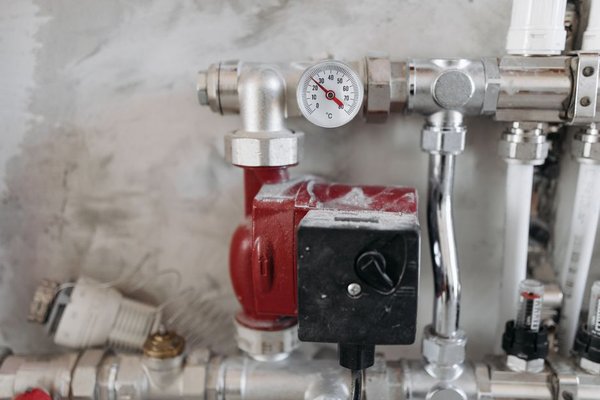
Why is my noisy central heating pump making that sound?
A noisy central heating pump usually points to air in the system, a speed setting that is too high, restricted flow, vibration, or wear inside the pump. Match the sound first: humming suggests load or vibration, grinding suggests wear or debris, and gurgling often suggests trapped air. Persistent harsh noise needs professional checking.
The sound matters because different noises point to different faults. Before changing anything, identify whether the noise comes from the pump itself, nearby pipework, a radiator or the boiler casing, then note when it starts and whether it changes as the heating warms up.
The electricity figure above is an example for a pump drawing 40 W and operating for 8 hours a day over 180 heating days. The working is 40 ÷ 1,000 = 0.04 kW; 0.04 × 1 hour × 24.5p/kWh (July 2026 cap) = 0.98p an hour; and 0.04 × 8 hours × 180 days × £0.245/kWh = £14.11 a year at 24.5p/kWh (July 2026 cap). Use the wattage on your own pump label and your own operating hours for a household-specific figure.
Definition: A central heating pump, also called a circulator, moves heated water around the heating circuit. It does not create the heat. Noise can come from the motor, water flow, trapped air, nearby valves or pipework transmitting vibration.
The main central heating pump guide explains where the circulator sits in a typical system and what its job is.
How should you diagnose the sound first?
Start with observation rather than dismantling the pump. Record the type of sound, when it occurs and whether it changes with heat demand.
- Locate the sound: Listen near the pump, boiler and nearest pipes to find where the noise is strongest. Pipe vibration can make a healthy pump sound faulty.
- Describe the noise: Decide whether it is a hum, buzz, gurgle, whistle, rattle, scraping sound or grinding sound. The pattern is more useful than simply calling it noisy.
- Note when it starts: Listen at cold start-up, once the system is warm and when the boiler stops calling for heat.
- Check user-accessible settings only: Note any clearly marked control before making a permitted adjustment. Do not remove electrical covers, loosen wiring or open a sealed boiler casing.
- Look for system clues: Cold radiator areas, gurgling, uneven heating or pipe vibration can support an air or flow diagnosis. A leak or electrical smell needs professional attention.
- Escalate persistent mechanical noise: Grinding, scraping or repeated start-up failure can indicate internal wear or obstruction that needs a heating engineer.
Why is a central heating pump humming or buzzing?
A steady low hum can be normal motor sound if the pump is moving water and the heating works normally. A louder buzz, strong vibration or humming with poor circulation can point to excessive load, restricted flow, an unsuitable setting or a rotor struggling to turn.
Check whether pipe clips, mounting points or nearby pipework are amplifying the sound. If the pump has a user-selectable control, the central heating pump speed setting may be relevant, but reducing it is not automatically correct because the system still needs enough flow for the boiler and radiators.
What causes a heating pump to make a grinding noise?
Grinding is more concerning than a gentle hum because it can suggest mechanical wear, a damaged bearing or debris affecting rotating parts. If the sound is harsh, persistent or getting worse, arrange a professional check rather than continuing to experiment with the pump.
Locate the sound before blaming the circulator, because vibration from nearby valves or pipework can travel. Do not open the motor housing or try to clear internal debris; a standalone pump combines electricity with hot system water, and work inside a boiler casing should be handled by a Gas Safe registered engineer where it involves the gas appliance.
Can trapped air make a central heating pump noisy?
Yes. Air moving through a wet heating circuit can produce gurgling, rushing or bubbling sounds and can disturb smooth circulation. Air is more plausible if radiators have cold areas near the top or if the noise started after draining or refilling the system.
Radiators can sometimes be bled at their normal bleed points if you are comfortable doing so and the heating is cool, but follow the boiler instructions because pressure may need checking afterwards. The related bleeding central heating pump topic is different from casually loosening parts on a live circulator.
If air keeps returning, repeated bleeding is not the full answer. Pressure loss, a leak, an expansion issue or another system fault may need a heating engineer.
Does a high pump speed increase heating system noise?
It can. A higher circulation setting can increase water velocity and make valves, radiators and pipework louder, particularly where the system does not need that much flow. A lower setting is not automatically better because insufficient flow can also cause poor heating performance.
This is why central heating pump noise should be judged alongside the rest of the system. If a clearly accessible setting was changed and the noise began afterwards, the documented setting is worth checking; otherwise, avoid trial-and-error changes that may mask the real fault.
Which pump noises suggest the unit may need replacing?
Persistent grinding, scraping, loud internal rattling, repeated buzzing without successful circulation, or noise accompanied by loss of heating can suggest internal wear or failure. Replacement becomes more plausible when the fault is mechanical, recurring and not explained by trapped air, loose pipework or an incorrect accessible setting.
Sound alone cannot confirm that a new pump is needed. A heating engineer can check the circulator, system flow, valves, wiring and controls before recommending replacement; if the pump is inside a boiler casing, use a Gas Safe registered engineer for work involving the gas appliance.
When does diagnosing the pump noise yourself not work?
Sound matching is useful only as a first filter. It cannot tell you with certainty that a bearing has failed, an impeller is blocked or a control board is at fault, and it cannot prove that the noise is coming from the pump rather than nearby pipework. A photograph can help identify the model, visible controls or an obvious leak, but a photograph cannot diagnose a hum, vibration or grinding bearing. That part only works in a photograph if the fault is visibly obvious.
Stop at observation if the pump is inside the boiler casing, if there is exposed wiring, a burning smell, repeated electrical tripping, hot water leaking near electrical parts, or a fault that requires removing covers. Tenants should avoid changes that breach the tenancy or alter equipment controlled by the landlord. If the heating repeatedly loses pressure, radiators stay cold despite bleeding, or harsh mechanical noise continues, the practical next step is a heating engineer. Gas-appliance work must be carried out by a Gas Safe registered engineer.
Frequently asked questions
Is a noisy heating pump dangerous?
Not every noise is dangerous, because a mild hum or short period of water noise can occur during normal operation. Burning smells, electrical tripping, leaking water near electrical parts or a pump that repeatedly fails to circulate need professional attention.
Should a central heating circulator be completely silent?
No. A working circulator can produce a low motor hum and some water-flow sound. Pay attention to a new, louder or rougher sound, especially grinding, scraping or heavy vibration that was not present before.
Can bleeding radiators stop pump noise?
It can help if trapped air is causing gurgling or irregular water-flow noise. If the air returns repeatedly, or the sound is mechanical rather than watery, repeated bleeding is unlikely to solve the underlying fault.
How much electricity does a heating circulation pump use?
Use the wattage shown on the pump because consumption varies by model and operating mode. For example, 40 W is 0.04 kW, so one hour at 24.5p/kWh (July 2026 cap) costs 0.98p; at 8 hours a day for 180 days, that example totals £14.11 a year at 24.5p/kWh (July 2026 cap).
Can pipework make a healthy pump sound faulty?
Yes. Vibration can travel through pipes, clips, valves and nearby panels, making the loudest point appear away from the true source. Identifying where the sound begins can prevent a healthy pump being blamed for a pipework or flow issue.
A noisy central heating pump is easier to assess when you name the sound before trying to fix it. Humming, gurgling, vibration and grinding point in different directions, and persistent mechanical or electrical symptoms deserve a professional check rather than repeated adjustments.