
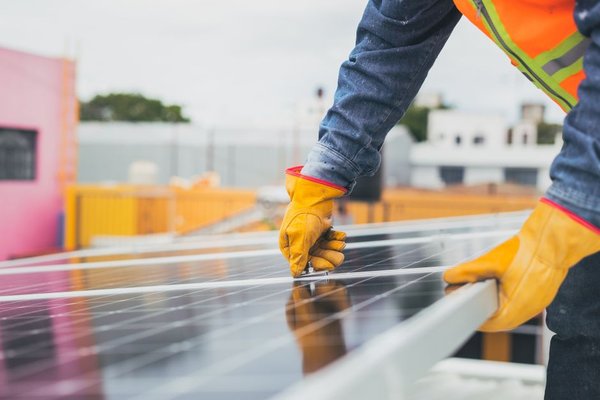
Can diy solar panel kits be installed safely at home?
Yes, but diy solar panel kits are safest when you treat them as a split job. You can plan the layout, check components, prepare access and handle non-electrical assembly where instructions allow it. Roof structure, fixed wiring, protective devices, testing and grid connection should be handed to suitably qualified professionals.
A DIY approach can reduce paid labour, but it does not turn a roof-mounted generation system into a plug-in project. Separate low-risk preparation from work that affects the roof structure, fixed wiring or the public electricity network.
Definition: do it yourself solar panel kits are packaged groups of compatible solar components intended to simplify planning and assembly. They may include panels, mounting parts, cables and an inverter, but a kit does not remove the need for structural checks, electrical design, testing or property permissions.
What is included in DIY solar panel kits?
Most kits group the main generation components, but the exact contents vary. Check the bill of materials line by line rather than assuming every fixing, isolator, protective device or cable length is included.
A typical package may contain photovoltaic panels, rails or brackets, clamps, DC cable and connectors, and an inverter matched to the intended array. Some solar panel kits uk packages also include monitoring equipment or battery-ready hardware, while others are panels plus basic mounting parts.
Compatibility matters more than the number of boxes. Panel voltage and current must sit within the inverter’s permitted input range, the mounting system must suit the roof and fixing points, and cables and connectors must suit the circuits they serve. Battery equipment also needs to be designed as part of the same system.
For a broader component overview, use the main solar panel kit guide. If storage matters too, the related solar panel and battery kit article is the more relevant next read.
Which parts of a DIY solar installation can you do yourself?
You can usually handle planning, measuring and non-electrical preparation, provided you are not exposing yourself to height risk or making structural changes you are not competent to assess. The handoff point should come before structural fixing, fixed wiring or commissioning where professional judgement is required.
Useful owner-led work can include measuring usable roof area from a safe location, recording roof orientation and obvious shading, checking the kit inventory, reading manufacturer instructions and planning cable routes for the electrician to review.
- Reasonable DIY preparation: paperwork gathering, component inventory, safe measurements, equipment-location planning and photographic records.
- Work to stop before: opening the consumer unit, altering fixed wiring, making final electrical connections, energising the system or working on a roof without suitable competence and fall protection.
- Specialist judgement: roof loading, structural fixing, electrical protection, earthing, testing and the connection process with the local network operator.
When does solar work need a qualified electrician?
Bring in a qualified electrician before any work that changes the home’s fixed electrical installation or connects solar equipment to it. The electrician should assess circuit design, protective devices, isolation, earthing, testing and the documentation needed for the completed work.
If you are buying do it yourself solar panel kits, ask the electrician to review the proposed inverter, array size, cable route and equipment location before irreversible roof work starts. That check can expose a design mismatch before components are fixed in place.
How do you check roof loading and fixing points?
Start with the roof structure rather than panel dimensions. A competent roofer or structural professional should assess whether it can take the added dead load and wind loads transferred through the mounting system, especially where timbers are old, altered or damaged.
From the ground or loft, record the roof type, covering, approximate dimensions and any structural members visible without disturbing the building. Do not assume a tile, slate or sheet covering is itself a structural fixing point; mounting hardware has to transfer forces into suitable structure beneath it.
What paperwork may be needed before connecting solar to a home?
The paperwork can involve the electrical installation, the local electricity network and the property itself. The exact route depends on the system and building, so confirm it before installation rather than after the array is live.
Your installer or electrician should identify the electrical certificates and Building Regulations notifications that apply. Grid-connected generation may also need notification to, or agreement with, the local distribution network operator under the relevant connection process before commissioning.
Planning permission is not always required for domestic solar, but permitted-development conditions do not cover every property. Listed buildings, leasehold or shared roofs and landlord-controlled properties can require additional consent; if you rent, obtain written landlord approval before permanent alterations.
A safe order for a DIY solar project
- Define the system: decide whether the project is grid-connected, off-grid or battery-ready and what you expect it to power or offset.
- Measure without roof risk: record usable dimensions, orientation, visible shading and likely equipment locations from safe access points.
- Check the roof: have the structure and fixing method assessed before buying mounting hardware or drilling the roof.
- Match the components: confirm panels, inverter, mounting system, connectors and any battery hardware work together within their stated limits.
- Agree the electrical handoff: ask the electrician to review the layout, cable route, protection and connection method before permanent work starts.
- Confirm permissions and notifications: deal with landlord, planning, building-control and network requirements that apply to the property and system.
- Install only within your competence: keep owner-led work to safe preparation and manufacturer-permitted assembly, leaving structural, electrical and commissioning tasks to suitable professionals.
- Test and document before use: do not energise the system until required inspection, electrical testing, commissioning and paperwork are complete.
The cost line below is a worked arithmetic example using the figures supplied for this brief, not a quotation for a particular kit. It assumes 388 kWh of solar generation a year is used in the home instead of being bought from the grid: 388 kWh × £0.245 per kWh = £95.06 a year at 24.5p/kWh (July 2026 cap), rounded to £95. With an installed cost of £520, £520 ÷ £95 = 5.47 years, rounded to 5.5 years. If you are working from measured average output and hours, use watts ÷ 1000 × hours × 24.5p/kWh; use your actual values rather than assuming nameplate output lasts all day.
When does a DIY solar kit not make sense?
It does not make sense where the property, roof or ownership arrangement removes the part you hoped to do yourself. In a rented home, the landlord decides whether permanent roof fixings, cabling and electrical alterations are allowed. In a flat or leasehold property, the roof may be shared property even when the room below it is yours. On a listed building, or a roof with fragile, unusual or failing coverings, a neat product photograph does not answer the consent or structural questions.
It also fails as a DIY plan when the supposed labour reduction depends on risky roof work or fixed electrical work outside your competence. A kit that looks complete on a garage floor can still need a different fixing detail, cable route, protective device or connection arrangement once a professional sees the building. If you expect to move before the worked 5.5-year example above, do not treat it as a guaranteed return; actual generation, self-use, installed price and electricity rate can all differ.
Frequently asked questions
Can I plug a solar panel kit into a normal UK socket?
Do not assume a grid-connected home solar system can simply be plugged into an ordinary socket. The connection method, protection, isolation and testing need to be designed for the property and checked by a qualified electrician.
Can I buy the panels before speaking to an electrician?
You can, but it is safer to have the proposed array and inverter reviewed first. That reduces the chance of buying equipment that does not suit the home’s electrical arrangement or planned cable route.
Do I need a battery with a DIY solar kit?
No. A battery is a separate design choice, not a requirement for every solar installation, and adding one changes equipment compatibility, protection and control requirements.
Can a DIY kit go on a shed instead of the house?
Possibly, but the shed roof still needs suitable structure and weatherproof fixing points, and any electrical connection must be designed safely. For that use case, a shed-specific design still needs its own sizing and installation checks.
Is a small kit automatically safer to install myself?
No. Lower power does not remove fall risk, structural risk or the need to deal correctly with electrical connections. Judge the task by the work involved, not the physical size of the box.
The sensible DIY boundary is preparation, checking and informed coordination, not proving that every task can be done without a trade. Plan the roof, electrical and paperwork handoffs before buying so the project stays organised without turning safety-critical work into guesswork.