
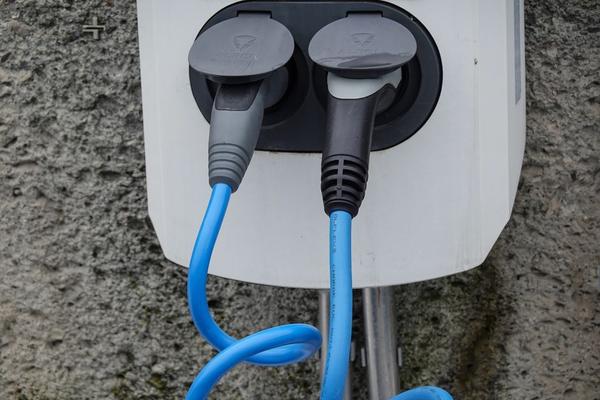
What is a portable EV charging station?
A portable EV charging station is usually a plug-in unit that connects an electric car to a suitable mains socket rather than being fixed permanently to a wall. It can work for occasional, backup or routine low-power charging, but its speed and safety depend on the power source, cable condition and socket being used.
Portable charging equipment gives you a flexible way to add energy without a fixed wall unit. It does not create electricity: it takes power from the supply it is connected to, so the socket and electrical installation matter as much as the charger.
What counts as a portable EV charging station?
A portable EV charging station is equipment that can be carried between locations and plugged into an appropriate electricity supply instead of being permanently mounted. At home, that often means a portable charging cable and control unit designed to draw power from a suitable socket and pass it to the car.
Plain-English definition
Put simply, it is a movable link between the electricity supply and the vehicle. It is not automatically a battery pack, generator or miniature rapid charger, and portable does not mean every socket is suitable for long charging sessions.
The common home example in this article uses a UK three-pin connection at about 2,300 W. The power available from that supply limits how quickly energy can be added. A fixed home wallbox is a different installation, though both sit within the wider subject of ev charging stations.
Product wording can be loose. A seller may call a cable-and-control unit a charging station for evs, while another may use similar wording for a battery-based unit. Check what actually supplies the electricity, the rated input power and which connector is intended for the vehicle.
Where does a portable EV charger get its power?
It gets its power from the electrical source it is plugged into. For the 2,300 W three-pin example used here, that means mains electricity from a suitable UK socket rather than energy stored inside the charging lead.
At the July 2026 cap assumption of 24.5p/kWh, one hour works out as 2,300 W divided by 1,000 = 2.3 kW; 2.3 kW × 1 hour = 2.3 kWh; 2.3 kWh × 24.5p/kWh = 56.35p, rounded to 56.4p.
The £411 annual figure assumes two hours of charging every day. The working is 2,300 W ÷ 1,000 × 2 hours × 365 days × £0.245/kWh = £411.36, rounded to £411 a year at 24.5p/kWh for the July 2026 cap period. Replace the two-hour assumption with your own charging time to calculate your figure.
If you want the wider explanation from supply to vehicle, how do ev charging stations work is the relevant next topic. A portable unit still controls the charging process; it is not simply an extension lead with a car plug attached.
How fast can portable EV charging equipment charge a car?
The speed is limited by the power available from the supply and by what the vehicle can accept. With the 2,300 W example, the equipment can deliver about 2.3 kWh of electrical energy for each hour it operates at its rated power.
If a car needs 11.5 kWh added, a simple idealised calculation at 2.3 kW is 11.5 kWh ÷ 2.3 kW = 5 hours. Real sessions can vary, so use that as a planning calculation rather than a promise of an exact finish time.
This is why the required top-up matters. If you need only a modest amount of energy overnight, low-power mains charging may fit the available window. If you regularly need a large amount before morning, the limitation is the available power, not a setting that can simply be overridden.
Do not confuse portability with higher output. A polished case, screen or app cannot make a 2.3 kW source deliver the output of a different electrical circuit. Features on an ev smart charging station may help with scheduling, but power in kilowatts multiplied by time in hours still determines the energy added.
What safety checks matter before using a portable charging setup?
First check whether the socket, wiring and charging equipment are suitable for sustained EV charging. If you are unsure about the circuit or socket, use a registered electrician rather than judging it by appearance.
Inspect the plug, cable, control box and vehicle connector for damage, heat marks, loose parts or contamination. Stop using the equipment if anything looks damaged or becomes unusually hot, and follow the car and charger manufacturers’ instructions.
- Check the socket: it should be in good condition and suitable for the intended charging equipment.
- Keep connections protected: avoid positions where standing water, crushing or vehicle movement can damage plugs or control boxes.
- Avoid improvised extensions: do not treat a household extension reel or adaptor as a substitute for a suitable EV charging supply.
- Watch for heat: an unusually hot plug or socket needs attention before another session.
- Respect the rating: never assume the unit can safely draw more power because the car could accept more.
In a rented home, ask the landlord before relying on a particular socket or arranging electrical work. If a circuit needs alteration, use a competent registered electrician. For a broader look at practical risks, ev charging station safety concerns is directly relevant.
When is a portable charger the wrong choice?
A portable charger is the wrong answer when portability is being used to avoid fixing an unsuitable electrical setup. If the only available socket is damaged, shared with other heavy loads, reached through an extension lead or positioned where plugs and control boxes can sit in water, do not keep experimenting. Have the supply assessed properly.
It can also be a poor fit if your driving pattern regularly requires a large amount of energy in a short overnight window. A product photograph may show a neat cable beside a car, but it says nothing about how much power the socket can safely supply or how many hours the car must stay connected. In a rented home, the idea may fail if the landlord will not approve electrical changes or the parking space is too far from a suitable supply. Portable equipment is a flexible tool, not a workaround for bad wiring, inconvenient parking or an unrealistic charging schedule.
How to decide whether it suits your routine
Start with the energy you normally need to add, then divide that figure by the charging power. If you usually need 6.9 kWh, for example, 6.9 kWh ÷ 2.3 kW = 3 hours in an idealised calculation. If your available parking time is comfortably longer, the setup may fit; if not, portability will not solve the gap.
Then check whether the location is practical every time you charge, not just on a dry afternoon when you first test the cable. You need a route without a trip or crush hazard, a suitable connection point and somewhere the control box can sit without being dragged, trapped or submerged.
A portable EV charging station can be useful as a backup or regular low-power option when the power, location and charging window fit your use. It should not be chosen on appearance or portability alone.
Frequently asked questions
Can I use a portable EV charger every day?
Daily use depends on whether the equipment, socket and electrical circuit are suitable for repeated vehicle charging. If you intend to rely on it routinely, follow the manufacturer’s instructions and have uncertainty about the supply checked by a registered electrician.
Can I use an extension lead with a portable EV charger?
An ordinary household extension lead should not be treated as a substitute for a suitable EV charging connection. Extra plugs, reels and adaptors introduce more points that can overheat or be damaged, so use the arrangement specified by the equipment manufacturer.
Is a portable EV charger the same as a portable battery power station?
No. A typical portable EV charger controls the transfer of electricity from an external supply to the car, while a battery power station stores energy inside its own battery. Check the input source and rated output before assuming what a product can do.
How much does two hours of 2.3 kW charging cost?
At 24.5p/kWh for the July 2026 cap period, 2.3 kW × 2 hours = 4.6 kWh, and 4.6 kWh × 24.5p = 112.7p, or about £1.13. That is the electricity cost for the two-hour session using the stated rate and assumption.
A portable EV charging station is useful when its limits are understood before it becomes part of your routine. Check the source, do the power-and-time calculation for your own driving, and treat the socket and wiring as part of the charging system rather than background details.