
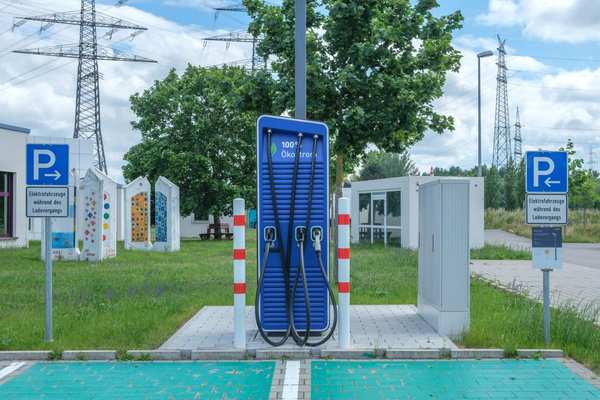
What ev charging station safety concerns should I check at home?
The main ev charging station safety concerns are electrical faults, damaged plugs or cables, trip hazards, water ingress, vehicle impact, unauthorised use, poor ventilation around equipment and ignored warning signs. A properly installed wallbox is designed for outdoor use, but damage, loose connections or repeated faults should be checked by a qualified electrician.
A home chargepoint is high-power electrical equipment used for long periods, often outdoors and unattended. Most problems are preventable if the installation, cable route and condition of the unit are checked rather than treated like an ordinary household socket.
For a 7.4 kW wallbox, the electricity calculation is 7,400 W ÷ 1,000 = 7.4 kW; 7.4 × 1 hour × £0.245 = £1.813, or about £1.81 for one hour at 24.5p/kWh under the July 2026 cap. For the annual example above, the assumption is eight charging hours a week: 7.4 × 8 × 52 × £0.245 = £754.21 a year at 24.5p/kWh under the July 2026 cap.
What electrical faults can make an EV charging station unsafe?
Repeated tripping, overheating, damaged connectors and a charger that behaves unpredictably all deserve attention. Stop using the unit if there is visible damage, burning smell, crackling, unusual heat or a fault that returns after a reset, and have the installation checked by a qualified electrician rather than opening the equipment yourself.
These are the eight risks worth checking around home ev charging stations:
- Overheating at the plug, cable or unit: Unusual heat, a scorched smell or discolouration can indicate a poor connection or damaged component. Do not keep charging to see whether it settles down; leave the equipment unused and arrange an inspection.
- Repeated electrical protection trips: Repeated tripping is not something to defeat or bypass. Record whether it happens as charging starts or after some time, then give that information to a qualified electrician or the chargepoint installer.
- Damaged charging leads or connectors: Cuts, crushed sections, exposed internal material, bent pins, cracked housings or a connector that no longer seats properly are reasons to stop using the lead. Damage can hide where a cable is repeatedly bent, dragged or trapped.
- Trip and crush hazards: A loose lead across a walking route can injure pedestrians, while a cable laid where a tyre regularly crosses it can be damaged internally. Keep the normal route short, visible and protected from doors, gates, wheels and sharp edges.
- Water entering damaged equipment: Outdoor chargepoints are intended to cope with weather when correctly installed and intact, but cracked covers, missing seals or a damaged connector change the situation. Do not improvise with bags, tape or temporary covers over damaged equipment; isolate it from use and arrange repair.
- Vehicle impact or a loose mounting: A wallbox can be struck by a bumper, trailer or stored item. After an impact, check that it remains firmly mounted and that the casing or cable entry has not been damaged.
- Unauthorised or unmanaged access: A charger in a shared drive, communal car park or workplace needs sensible access control. workplace ev charging stations also need clear responsibility for faults, damaged bays and cables left where users can drive over them.
- Ignored alerts or communication faults: Smart units can report failed sessions, offline periods or repeated error codes. ev charging station monitoring is useful only if someone acts on recurring alerts; a charger that repeatedly loses connection or reports faults should be checked rather than treated as a software annoyance.
How should charging cables be protected from vehicles and pedestrians?
Keep the cable out of the normal walking line and away from the path of tyres wherever the layout allows. If a lead must cross an area people use, it needs a suitable protective route rather than being left loose on paving, through a doorway or across a public footway.
Start with the parking position. The chargepoint should allow the vehicle inlet to be reached without stretching the lead tightly, wrapping it around obstacles or leaving a large loop where someone can trip. Do not shut a charging cable in a garage door, gate or window, and do not position it where the same wheel will run over it every day.
Where signage is useful in a shared area, the guidance can sit alongside ev charging station signs so users know which bay, lead and route belong to the charging point. Cable protectors can reduce trip risk in suitable locations, but they do not make an unsuitable permanent route acceptable, especially across a pavement used by the public.
Can EV charging stations be used safely in heavy rain?
A correctly installed outdoor chargepoint and its compatible connector are designed to be used outside, including in normal wet weather. The important distinction is between intact equipment used as intended and equipment that is cracked, flooded, loosely mounted or visibly damaged.
Do not handle exposed damaged parts, attempt a repair in the rain or cover a charger with an improvised plastic sheet while it is operating. If water is collecting around the unit, the connector has been dropped into standing water, the enclosure is damaged or the charger reports a fault, stop using it and follow the manufacturer’s shutdown guidance.
After severe weather, look at the mounting, casing, cable entry and connector before the next session. An outdoor rating does not make damaged equipment safe in every condition.
What maintenance signs should prompt a charging station inspection?
Arrange an inspection when a fault repeats, the unit runs unusually hot, the cable or connector is damaged, the mounting moves, or charging repeatedly stops without an obvious vehicle-side reason. Several changes together are a strong reason to stop using the charger until it has been checked.
- Burning smell, scorch marks, melting, crackling or unusual heat.
- Repeated breaker, RCD or chargepoint fault trips.
- Loose wall mounting, cracked casing or damaged seals.
- Cut, flattened, twisted or abraded cable sections.
- Bent, loose, contaminated or damaged connector parts.
- Frequent failed sessions, recurring error codes or unexplained shutdowns.
Keep the installer’s details and the charger’s model information somewhere accessible. If replacement or electrical work is needed, use a competent installer; the government’s chargepoint specifications require relevant electrical safety standards for eligible installations, and ev charging station installers are the right route for work on fixed charging equipment.
When does a home chargepoint setup not work safely in real life?
The neatest charging photographs assume a private driveway, a wall beside the parking bay and a cable that never crosses anyone else’s route. Many homes do not have that layout. In a rented property, you may need the landlord’s permission before fixed electrical work, and in a flat or shared car park the freeholder, managing agent or parking arrangements can decide what is practical. A cable stretched from a window, under a door or across a public pavement is not made safe by being tidy for a photograph.
If the only parking space is across a footway, the answer is not to create a permanent trip hazard and hope pedestrians step over it. Use a properly approved route or charging arrangement for that property. The same applies if the consumer unit, supply or proposed mounting position needs electrical work: this is not a DIY job. If the wallbox has already been hit, is loose, gets unusually hot or trips protection repeatedly, continued use is the wrong compromise. Stop and get the installation checked.
Frequently asked questions
Can I use an extension lead to charge an electric car at home?
A fixed home chargepoint is the safer normal solution. Do not create a routine charging setup with an ordinary household extension lead; use charging equipment and connections intended for EV charging and follow the vehicle and charger’s instructions.
Is it safe to leave an EV charging overnight?
A correctly installed, undamaged chargepoint is designed to manage charging without someone standing beside it. Do not leave a known fault unattended, and stop using the charger if it repeatedly trips, overheats, smells scorched or reports recurring errors.
Should I unplug the charger after every session?
Follow the chargepoint manufacturer’s instructions for the specific unit. Whether the cable is tethered or removable, keep the connector stored so it stays clean, dry, protected from impact and out of walking or vehicle routes.
Can a smart charger alert me to safety problems?
Smart features can flag failed sessions, communication loss or some equipment errors, but they do not replace physical checks. Treat recurring alerts as information to investigate, especially if they appear alongside heat, damage, tripping or unreliable charging.
What should I do after a charger has been hit by a car?
Stop using it until the casing, mounting, cable entry and electrical condition have been assessed. Damage behind the enclosure may not be visible, so a charger that has taken a meaningful impact should be checked by a competent professional before it returns to service.
Most ev charging station safety concerns come down to installation quality, cable routing, physical condition and acting on warning signs early. Treat a home wallbox as fixed high-power electrical equipment, keep its route clear, and get recurring faults or damage checked instead of working around them.