
Is a 20m ev charging cable too long for home use?
A 20m ev charging cable makes sense when the charger and parking space cannot be aligned more closely, such as a long drive or two parking positions. The extra reach is useful, but you must plan the route, avoid trip hazards, check the cable is rated for the charging current and have a sensible place to store it.
Twenty metres is far longer than many cars need beside a wallbox, but awkward UK driveways can make that reach practical. Choose the shortest length that safely reaches the vehicle inlet in every parking position you actually use.
For the figure above, the charging session is treated as 7,400 W through a 7 kW wallbox. At 24.5p/kWh (July 2026 cap), 7,400 W ÷ 1,000 = 7.4 kW, and 7.4 × 1 hour × 24.5p = 181.3p for one hour; assuming one hour every day for 365 days, 7.4 × 365 × £0.245 = £661.75 a year at 24.5p/kWh (July 2026 cap), rounded to £662 in the block.
What home layouts genuinely need a 20 m EV charging cable?
A 20 metre lead is genuinely useful where the wallbox cannot sit close to the vehicle inlet, or where the car may be parked nose-in one day and reversed the next. It can also make sense on a long private drive where one charger serves more than one marked parking position.
Trace the real route from charger to inlet rather than measuring a straight line. The cable may need to go around a gate post, along a wall or past another vehicle, so spare length disappears quickly when the route follows the perimeter.
If a 15m ev charging cable already reaches comfortably, twenty metres may add bulk without solving anything. A 30m ev charging cable or other extra long ev charging cable makes sense only where the measured parking layout truly demands it.
The wider ev charging cable guide helps when you are still choosing length and connector arrangements. If your route is close to fifteen metres, compare it with the 15m ev charging cable article before buying extra length.
| Parking situation | 15 m cable | 20 m cable |
|---|---|---|
| Wallbox beside a single parking bay | Usually gives ample reach with less cable to handle | Often more length than the route needs |
| Long drive with charger near the house | May reach only the closest parking position | Gives five extra metres for a more distant inlet |
| Two cars using one charger position | Can be tight if the second car sits further away | More flexible where both spaces are on private land |
| Route around posts, walls or parked cars | Less spare length for indirect routing | More margin for following the edge of the parking area |
| Daily lifting and storage | Less bulk to coil and carry | More cable to gather and store after every session |
Is voltage drop a concern with a 20 m EV cable?
Voltage drop is a real electrical consideration, but length alone does not tell you whether a particular cable is suitable. Conductor size, charging current, cable construction, temperature and the manufacturer’s rating all matter, so a properly specified twenty metre charging lead should be chosen for the load it is expected to carry.
Do not treat a long charging lead as interchangeable with a general-purpose extension lead. Use EV charging equipment intended for the vehicle, connector and charging current, and follow the manufacturers’ instructions. Doubts about the fixed supply, wallbox circuit or protective devices should go to a competent electrician.
A longer cable can have more electrical resistance than an otherwise identical shorter one, so the printed current rating and manufacturer documentation matter more than a guess based only on metres.
If you are choosing specifically because the vehicle sits far from the charger, the long ev charging cable guide can help you think about the trade-off between reach and everyday handling before you commit to the longest available length.
How should a 20 m charging cable be routed safely?
Route it entirely within your private parking area wherever possible, keep it clear of walking lines and avoid places where tyres, gates or garage doors can trap it. Do not run it across a public pavement or shared access merely because the extra length makes that physically possible.
Before each session, look at the whole path from charger to vehicle. Keep the cable out of walking lines and do not stretch it tight between wallbox and car; leave enough slack for the connector to sit naturally.
- Keep the route visible: avoid hiding a live cable under mats, loose boards or makeshift coverings.
- Protect it from crushing: do not position it where a vehicle wheel is expected to sit or where a door or gate closes on it.
- Keep connectors clean and supported: use the caps, holsters or storage arrangements supplied or recommended for the equipment.
- Stop if damage is visible: cuts, crushed sections, exposed conductors, overheating marks or damaged plugs need proper assessment rather than tape or a temporary repair.
A long lead can make a difficult layout workable, but it does not make a poor route safe. If the path crosses shared ground, speak to the landlord, freeholder or property manager first.
What is the easiest way to store a 20 m cable?
The easiest system is one that keeps the full length off the floor, supported without sharp bends and close to the charger or parking position. A wall-mounted holder or a roomy box can work, provided the cable is placed rather than tightly wound or forced into a small space.
Twenty metres becomes untidy quickly if it is dropped in a heap. Gather it in broad loops and keep the vehicle connector away from water, grit and driveway dirt. For a fixed wall solution, compare a purpose-made ev charging cable holder with the amount of cable you need to support.
Storage changes whether the extra reach feels worthwhile. If the car normally parks close to the wallbox and only rarely sits further away, lifting and replacing twenty metres after every session may be less practical than using a shorter everyday cable.
When does a 20 metre cable not solve the real problem?
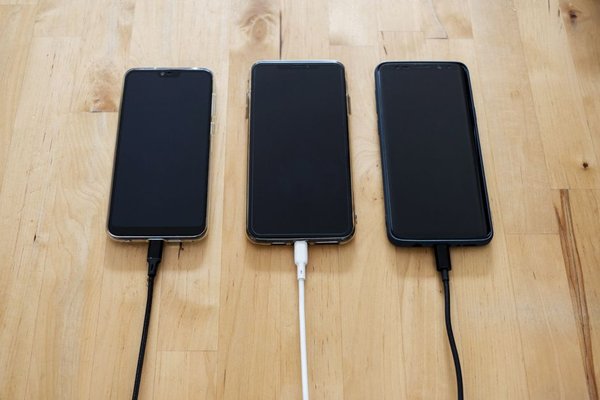
A long cable does not fix a parking arrangement that depends on crossing a public pavement, blocking a shared path or threading a lead through a communal area. Those routes may look neat in a staged photograph because nobody is walking past, a second car is not present and the cable has been placed perfectly for the picture. Daily use is different. If people, pushchairs, bikes or neighbours regularly use the same route, adding five or ten metres of cable can create a bigger handling problem rather than a better charging setup.
It is also a poor answer where a rented home, lease or freeholder arrangement controls where charging equipment may be installed. A longer lead does not give permission to alter a route or use shared land. If the cable must be pinched under a door, trapped by a gate, driven over, left permanently outside in a heap or stretched tight to reach the car, the layout needs reconsidering. In those cases, the sensible answer may be a different charger position agreed with the property owner and installed correctly, not an even longer cable.
Frequently asked questions
Does a longer EV cable make charging slower?
Length by itself does not set the charging speed; the cable, charger and vehicle must all support the intended current. A correctly rated product should be selected using the manufacturer’s specification rather than assuming that any long cable will perform like a shorter one.
Can I add an ordinary extension lead to reach the car?
An ordinary household extension lead should not be treated as a substitute for purpose-designed EV charging equipment. Use the charging arrangement specified by the vehicle and charger manufacturers, and have doubts about the fixed electrical installation checked by a competent electrician.
Is twenty metres excessive for a normal driveway?
For a single car parked beside a wallbox, twenty metres is often more than the route needs. It becomes reasonable when the charger is fixed well away from the inlet, the car changes orientation or one charger must reach more than one private parking position.
Should I choose a tethered charger instead of a long separate cable?
That depends on where the charger can be mounted and how much flexibility you need between vehicles. A tethered setup keeps the cable attached to the wallbox, while an untethered setup lets you remove the lead, so storage and parking layout matter as much as nominal length.
What should I check before buying a very long cable?
Check the connector type, charging-current rating, manufacturer guidance, measured route and where the cable will be stored. Also confirm that the entire charging path can stay on your private property without creating a trip or crushing hazard.
A 20m ev charging cable is sensible when your measured, safe route genuinely needs the reach; otherwise it is extra bulk you will handle every time you charge. Measure the real path, choose equipment rated for the charging current, and treat storage and pedestrian safety as part of the decision rather than problems to solve after purchase.