
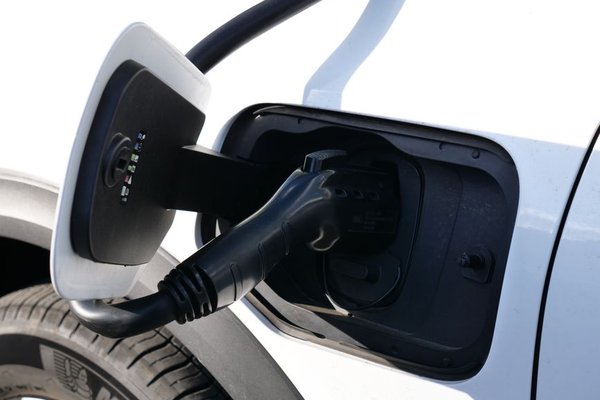
What do the main ev charging cable types mean?
The main ev charging cable types you will meet in the UK are Type 1, Type 2 and CCS. Type 2 is the normal AC connection for modern UK home charging, while CCS adds DC charging contacts for rapid public charging. The car inlet, charger socket and charging method must all be compatible.
Connector names can make a simple purchase look more technical than it is. For most UK drivers, the useful questions are what inlet the car has, whether the charger is AC or DC, and whether the cable is tethered to the chargepoint or needs to be carried separately.
For that annual example, assume a 7.4 kW home wallbox runs for two hours a day, every day of the year. The working is 7,400 W divided by 1,000 = 7.4 kW; 7.4 kW × 2 hours × 365 days × 24.5p/kWh = 132,349p, or £1,323.49 a year at the July 2026 cap rate. The cable itself does not create that demand; it carries the power that the car and chargepoint agree to use.
What are the main EV charging cable connector types?
The three names most UK drivers need to recognise are Type 1, Type 2 and CCS. Type 1 and Type 2 are associated with AC charging, while CCS combines the familiar upper AC connector shape with extra contacts for DC rapid charging.
Type 1 is mainly relevant to older vehicles and some imports. It is not the normal choice for a current UK home installation, so anyone buying a replacement ev car charging cable should check the vehicle inlet rather than relying on the model year or a seller’s generic description.
Type 2 is the connector most commonly encountered for modern UK home AC charging. A socketed wallbox normally needs a separate Type 2 cable between the chargepoint and the car, while a tethered wallbox has its cable permanently attached. The broader guide to choosing an ev charging cable is useful if you are deciding between those two arrangements.
CCS is used for DC charging. On a CCS-equipped car, the upper part of the inlet is based on the Type 2 shape, with additional DC contacts below it. At a rapid public charger the heavy DC lead is normally attached to the charger, so you do not generally carry a separate CCS lead in the boot.
Which cable type is standard for UK home charging?
For modern UK home charging, Type 2 is the normal connector to expect. If the wallbox is socketed, you usually supply the cable; if it is tethered, the cable is already part of the chargepoint.
A socketed unit lets you unplug and store the lead, while a tethered unit keeps the cable attached and ready to use. Either way, the vehicle inlet still has to match the connector.
Length also matters. The connector can be correct and the setup can still be awkward if the charging port is on the far side of the car or the parking position changes. If your driveway layout needs extra reach, compare the correct rated long ev charging cable rather than treating a domestic extension lead as an EV charging solution.
| Use or characteristic | Type 1 | Type 2 |
|---|---|---|
| Typical UK relevance | Mainly older vehicles and some imports | Normal choice for modern UK home AC charging |
| Home wallbox use | Only where the vehicle inlet requires it | Common on socketed and tethered home wallboxes |
| Public AC charging | May require a vehicle-specific lead | Widely used for untethered public AC chargepoints |
| Future replacement choice | Check compatibility carefully before buying | Usually the straightforward choice for a Type 2 vehicle inlet |
| Best check before purchase | Confirm the car inlet and charger end | Confirm the car inlet, charger end, current rating and required length |
What is the difference between AC and DC charging cables?
AC charging sends alternating current to the vehicle, where the car’s onboard charger converts it for the battery. DC charging performs that conversion in the charging equipment and sends direct current to the vehicle battery through a connector designed for DC charging.
At home, a Type 2 AC connection is the usual arrangement. The cable has to be compatible with the vehicle and chargepoint, but it does not force the car to accept a higher charging rate than the car or wallbox supports. The usable rate is limited by the weakest part of the chain: the electricity supply, chargepoint, cable rating and vehicle.
A public DC charger works differently. Its cable is typically part of the charger because the cable and connector form part of the high-power charging equipment. A CCS-equipped car uses the DC contacts in its CCS inlet rather than a separate portable ev charging station cable that the driver brings from home.
A higher-current cable is not an automatic speed upgrade. At 7.4 kW, one hour still costs 181.3p at 24.5p/kWh under the July 2026 cap rate: 7.4 kW × 1 hour × 24.5p/kWh = 181.3p.
Can one EV charging cable work with every public charger?
No. Public chargers differ by connector, by whether the cable is attached to the charger, and by whether they provide AC or DC charging. A portable Type 2 lead can be useful at an untethered AC chargepoint, but it is not a universal lead for every public charging situation.
Check the car inlet and the socket or tethered connector shown on the chargepoint. A Type 2-to-Type 2 lead can serve a Type 2 vehicle at compatible socketed AC chargers, but it cannot substitute for the fixed CCS lead on a DC charger. A ev charging cable bag can keep a loose lead protected in the boot without changing its electrical capability.
- Match both ends of the cable to the car and the chargepoint.
- Check whether the public charger is socketed or already has a tethered lead.
- Do not assume a connector that physically resembles another one will support the same charging method.
- Use charging equipment intended for EV charging rather than improvising with unsuitable domestic extension equipment.
When will the right cable still not solve your charging problem?
A correct connector only solves the connection problem. It does not create a suitable parking space, add a safe electrical supply or give a tenant permission to install charging equipment. In a rented home, the landlord may control whether a wallbox can be fitted. In a flat, you may have no allocated bay, no practical cable route or no legal way to run a lead across shared space.
A long cable stretched across a pavement can look tidy in a photograph and still be a bad real-world arrangement because it can obstruct pedestrians and leave the lead exposed to damage. A connector also cannot make a socketed AC cable work on a tethered CCS rapid charger, or make a Type 2 car accept a Type 1 plug. If the home supply, wallbox or vehicle limits the charging rate, buying a more heavily rated cable does not remove that limit. Where installation work is required, use a competent electrician and follow the chargepoint and vehicle manufacturers’ instructions rather than treating cable choice as a substitute for a proper installation.
What should you check before buying a replacement cable?
Start with the vehicle handbook or manufacturer information and identify the inlet fitted to the car. Then check the chargepoint end, whether it is tethered or socketed, the cable rating and the length needed. A correctly specified ev charge cable should match the vehicle and chargepoint rather than simply copying the old cable’s appearance.
Frequently asked questions
Do I need to carry an EV charging cable in my car?
It is useful if you expect to use socketed public AC chargepoints, because those may require your own compatible lead. Tethered AC and DC chargers already provide the cable, so carrying one does not help at every charger.
Is Type 2 the same as CCS?
No. Type 2 is used for AC charging, while CCS adds extra DC contacts to support DC charging. A CCS vehicle inlet is designed so the appropriate AC or DC connector can use the relevant part of the inlet.
Can a higher-rated cable make my car charge faster?
Not by itself. Charging speed is limited by the supply, chargepoint, cable capability and vehicle, so the lowest supported rate in that chain determines the result. A higher-rated cable only removes the cable as a limit where the rest of the system can use the additional capacity.
Should I buy the longest cable I can find?
Only if the parking layout genuinely needs the extra reach. More length means more cable to handle and store, so measure the route from the chargepoint to the car’s inlet and allow sensible slack rather than buying length with no purpose.
Can I use a normal extension lead for EV charging?
A domestic extension lead should not be treated as a substitute for purpose-designed EV charging equipment. Use equipment specified for the vehicle and charging method, and get a competent electrician involved where a home charging installation or electrical alteration is required.
Type 2 is the normal UK home AC connection, while CCS is the DC rapid-charging connection commonly met away from home. Check the car inlet, charger end, cable rating and required length, then choose only what that setup needs.