
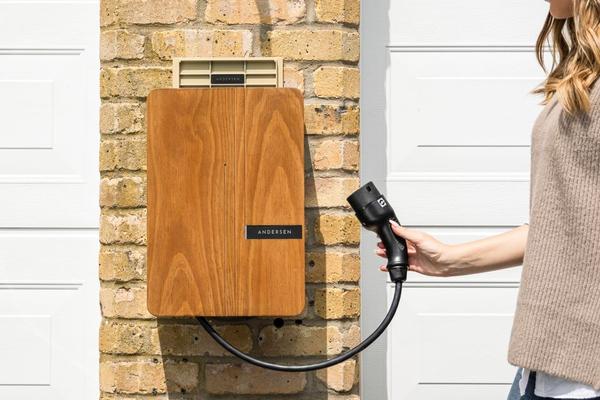
What should I check before using an ev charging extension cable?
An ev charging extension cable should only be used if the charger or vehicle manufacturer allows it, the connectors match, the cable is rated for the charging load, and the whole route stays protected from water, heat and damage. If any of those points are unclear, the safer answer is a closer socket or charge point.
Extra reach looks simple, but EV charging is a sustained electrical load rather than a quick use of a household appliance. Check the cable, connectors, charging equipment and route as one system before plugging in.
For that annual figure, the assumption is a 2,300 W three-pin charger running for 2 hours a day, every day of the year. The working is 2,300 W ÷ 1,000 = 2.3 kW; 2.3 kW × 2 hours = 4.6 kWh a day; 4.6 kWh × 24.5p/kWh = 112.7p a day, then × 365 = £411.36 a year at 24.5p/kWh for the July 2026 cap. Change the hours to match your own charging pattern.
Checks to make before using extra charging-cable reach
The cable needs to do more than physically reach the car. Work through these checks before treating extra length as a workable charging arrangement.
- Check the charger maker’s instructions: If the EVSE, portable charger or vehicle handbook says not to use an extension, stop there. A cable that looks electrically substantial does not override the equipment manufacturer’s conditions.
- Match the current rating to the charging load: The plug, socket, cable conductors and any connector in the chain need to be suitable for the continuous current being drawn. Do not assume a garden or household extension is suitable just because its plug fits.
- Keep the cable fully uncoiled: A cable left wound on a reel can retain heat. For a sustained load, the route should allow heat to dissipate and should not leave coils tucked under a car, mat or storage box.
- Check the connector fit: EV connectors are not interchangeable just because they look similar. The vehicle inlet, charging lead and any purpose-made extension must be designed to work together without improvised adaptors.
- Protect the route from water and damage: Outdoor charging means considering rain, standing water, doors, sharp edges, foot traffic and tyres. A connector lying on wet ground or a cable pinched under a door is not a sound arrangement.
- Inspect the cable before each use: Look for cuts, flattened sections, discolouration, loose pins, damaged seals or plugs that feel unusually warm after charging. Any damage is a reason to stop using the lead.
- Choose a permanent fix when extra reach becomes routine: If you need the same extension most days, ask a competent electrician about a closer suitable socket or charge point rather than making a temporary arrangement permanent.
What rating should an EV charging extension cable have?
It must be rated for the actual current the charger will draw continuously, not merely for a brief peak load. The rating also needs to apply to every plug, socket and connector in the chain, because the weakest part sets the practical limit.
A standard-looking lead can still be unsuitable for EV charging. If you are considering a heavy duty extension cable for ev charging, do not judge it by thickness alone: check its marked current rating, conductor specification, connector type and the charging-equipment instructions. If the maker does not approve extensions, a higher printed rating does not make the arrangement approved.
It also helps to separate the ordinary mains side from the dedicated vehicle side. Your main ev charging cable guide should identify the lead type and connector used by the vehicle, while a ev charging cable types guide can help if you are unsure whether you are looking at a mains extension, a portable charging unit or a Type 2 charging lead.
Can an EV extension cable be used outdoors in wet weather?
Only equipment specifically suitable for the conditions should be used outdoors, and any connection point needs protection against water ingress as intended by its manufacturer. Do not leave ordinary plug-and-socket joints on wet ground or improvise covers with bags, boxes or tape.
Water protection is about the complete connection, not just the outer cable sheath. A purpose-made connector may have sealing features when correctly mated, while a domestic extension socket can lose protection as soon as its lid is open or a plug is inserted. Check the stated ingress protection and the instructions for the exact product rather than assuming the word outdoor means it is suitable for EV charging.
Keep the route away from puddles and places where a door, gate or vehicle can crush it. An extension cable for ev charging should not create a trip line across a public pavement or shared access.
How do connectors affect EV extension compatibility?
The connector has to match both electrically and mechanically, including the charging system’s signalling and locking arrangements where those are used. A connector that can be forced together, or an adaptor that changes one format into another, is not evidence of compatibility.
On the vehicle side, use equipment intended for that inlet and charging mode. On the supply side, follow the portable charger or wallbox instructions. If you need more reach on the dedicated charging-cable side, look for a properly specified long ev charging cable that suits the vehicle and charge point rather than adding unrelated mains hardware.
A labelled ev charging cable extension still needs scrutiny. Its specification must cover the connector, current, weather exposure and equipment instructions you actually have; if those details are missing, treat it as unverified.
When should I install a closer charge point instead of extending the cable?
If extra cable is needed for most charging sessions, a closer fixed charging position is usually the cleaner long-term arrangement. It removes repeated joints and awkward routing, but the suitability of a new socket or wallbox location should be assessed by a competent electrician rather than treated as a DIY relocation.
Make the decision based on use, not appearance. If the cable regularly crosses a doorway, driveway, shared path or area where it can sit in water, the layout is telling you the charging point is in the wrong place for the way the car is parked. The same applies if the lead only reaches when stretched tightly or if you keep adding couplers to gain a little more distance.
When does extending an EV charging cable simply not work?
It does not work when the manufacturer prohibits extensions, when the only route crosses a public pavement or shared access, or when the connection has to sit where rainwater can collect. It also does not work in a rented home if the arrangement depends on drilling, fixing equipment or changing the electrical installation without the landlord’s permission. A neat photograph of a cable running through a window may look convenient, but in real use the window can crush the sheath, the lead can create a trip hazard, and the connection may end up outside the conditions the equipment was designed for.
There is also no sensible case for keeping a damaged, overheating or loosely fitting lead in service because it reaches the car. Stop using it and replace or relocate the relevant equipment. If you need extra reach every day, the honest answer is that the parking and charging positions need to be considered together. A temporary lead should not become the permanent answer to a layout problem.
Frequently asked questions
Can I use a normal household extension lead to charge an EV?
Do not assume a normal household extension lead is suitable for EV charging. Check the portable charger and vehicle instructions first, because sustained charging load, connector condition and cable routing all matter.
Should an extension reel be unwound for EV charging?
A reel carrying a sustained electrical load should not be left tightly coiled because heat can build up. Follow the reel and charging-equipment instructions, and stop if the arrangement is not explicitly suitable for the load.
Is a longer Type 2 cable better than a mains extension?
If your charge point and vehicle support a longer Type 2 lead, a purpose-made charging lead can avoid adding a domestic mains extension to the setup. Confirm the connector type, current rating and manufacturer guidance before buying extra length.
Can I run an EV charging lead through a window or door?
Do not route it where closing a window or door can pinch, crush or cut the cable. The route also needs to avoid trip hazards, water and places where tyres or moving gates can damage it.
What should I do if an EV charging plug feels hot?
Stop charging and let the equipment cool before inspecting it. Heat, discolouration, looseness or damage at a plug or socket is a reason to stop using that setup and have the relevant equipment checked by a competent person.
An ev charging extension cable is only useful when the whole arrangement is compatible, correctly rated and safely routed. If extra reach is becoming part of every charge, treat that as a layout problem and consider moving the fixed charging position instead of adding more temporary connections.